ArcGIS Storymaps
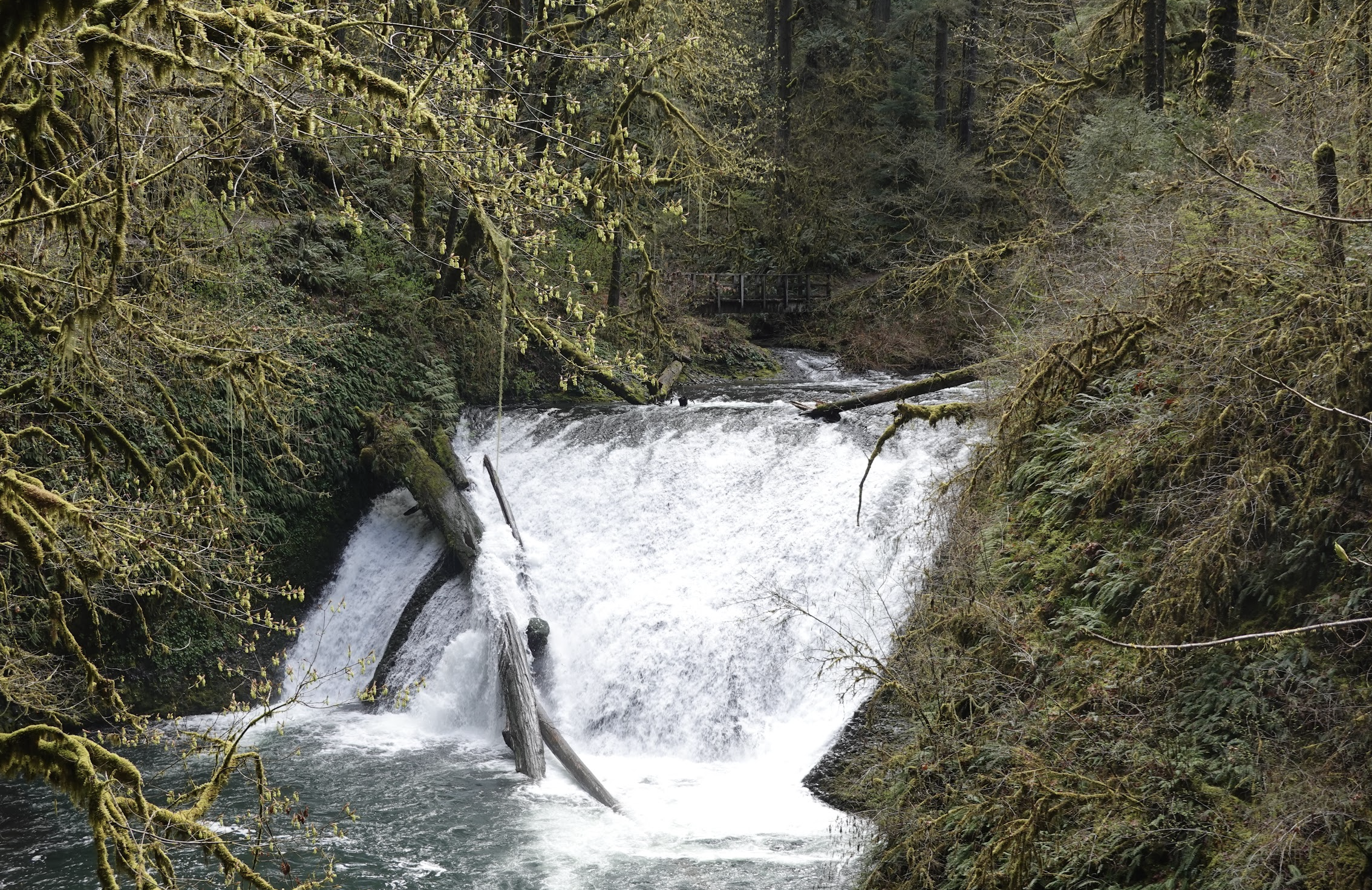
During my senior year of college, I created ArcGIS StoryMap projects that explored ecological and conservation-focused topics through spatial storytelling. One project examined bird diversity in the Tiputini Biodiversity Station, highlighting species richness and geographic patterns, while another analyzed the genetic and behavioral implications of release site mismatch in rehabilitated sloths. Together, these projects demonstrate my ability to integrate geospatial analysis, scientific research, and clear narrative to communicate complex wildlife and conservation issues.
Tiputini Bird Diversity
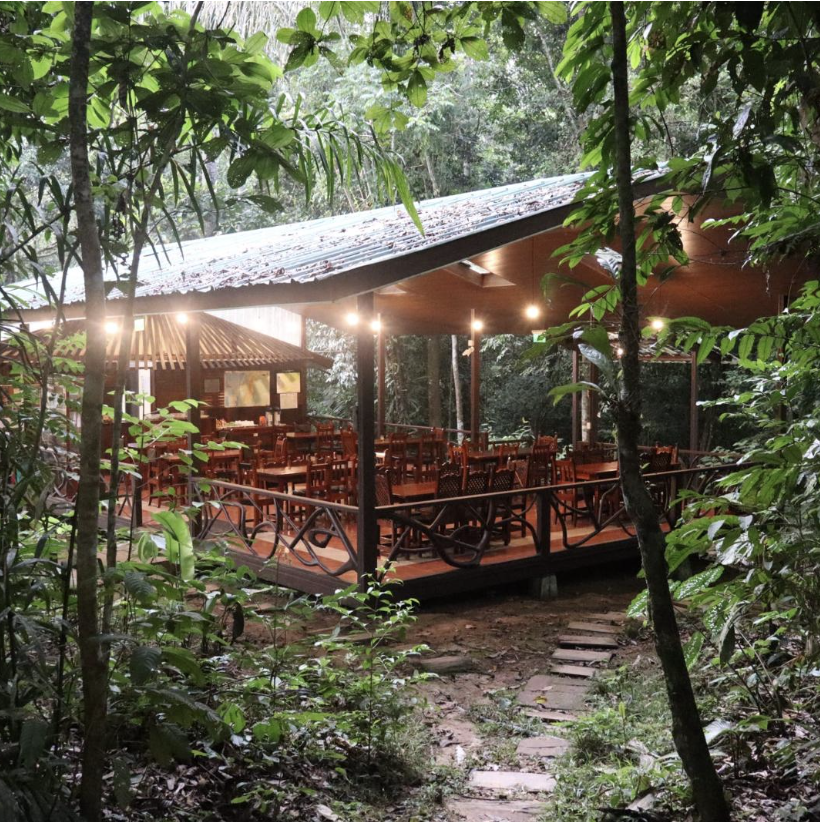
This project highlights the rich avian life of Tiputini, offering a closer look at the beauty and ecological importance of birds in one of the planet’s most vibrant ecosystems. Located within the Yasuní Biosphere Reserve in the Ecuadorian Amazon, the Tiputini Biodiversity Station protects one of the most biodiverse regions on Earth. Surrounded by dense tropical rainforest, the station serves as an important center for scientific research, conservation, and environmental education. Among its extraordinary wildlife, the region is especially renowned for its remarkable bird diversity.
Choloepodidae
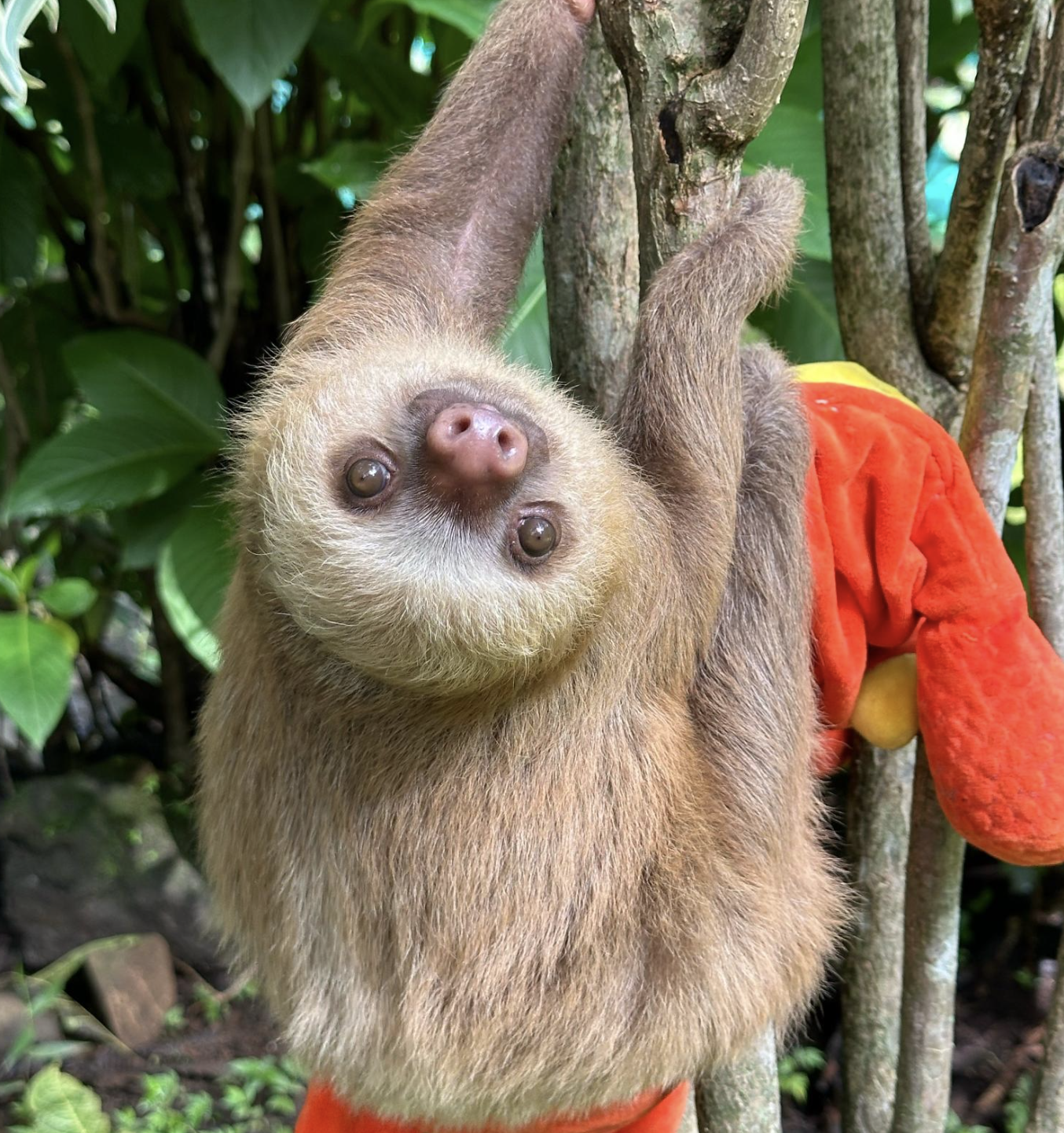
This project, The Genetic and Behavioral Implications of Release Site Mismatch in Rehabilitated Sloths, explores how releasing rehabilitated two-toed sloths into unfamiliar environments may influence their behavior, survival, and genetic connectivity. By examining these factors, the project contributes to a deeper understanding of effective rehabilitation practices and the long-term conservation of sloth populations.
Sloths are among the most recognizable mammals of Central and South American rainforests, admired for their slow movements, specialized lifestyles, and important role in forest ecosystems. As habitat fragmentation and human activity increasingly impact wild populations, wildlife rehabilitation and release efforts have become critical components of sloth conservation.